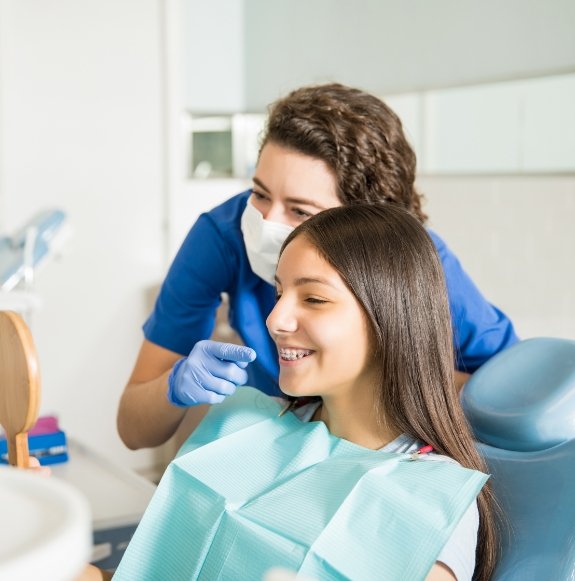
When considering whether to invest in dental insurance, it’s not a one-size-fits-all answer. The benefits, or lack thereof, are deeply intertwined with your individual circumstances, oral health history, and financial outlook. Understanding these Personal Factors: Who Benefits Most from Dental Insurance? is key to making an informed decision that truly serves your needs.
It's easy to view dental insurance as just another bill, but for many, it's a strategic tool for managing oral health and financial well-being. This guide will help you dissect the nuances, weigh the pros and cons through a personal lens, and ultimately determine if dental insurance is your smile's best friend or an unnecessary expense.
At a Glance: Who Benefits Most from Dental Insurance?
- Families with Young Children: Benefit significantly from coverage for regular check-ups, cleanings, sealants, and potential early orthodontics.
- Individuals with a History of Oral Health Issues: Those prone to cavities, gum disease, or who anticipate major procedures (crowns, bridges) will find insurance helps manage substantial costs.
- Seniors: Often face increased dental needs as they age, making insurance valuable for maintaining oral health.
- Proactive Preventers: People who consistently attend routine check-ups and cleanings find that insurance often pays for itself through 100% preventive coverage.
- Budget-Conscious Planners: Individuals who prefer predictable monthly premiums to the risk of large, unexpected out-of-pocket dental bills.
- Those with Systemic Health Concerns: Given the link between oral and overall health, individuals with conditions like diabetes or heart disease benefit from enhanced access to preventive care.
The Foundation: Deciphering Dental Insurance Mechanics
Before we dive into personal factors, a quick primer on how dental insurance generally operates will set the stage. Think of it as a spectrum of coverage, designed to encourage preventive care while offering a safety net for more significant issues.
Most plans categorize services into three tiers:
- Preventive Care: This is the bedrock of oral health, covering routine check-ups, cleanings, annual X-rays, and sometimes sealants. Insurance typically covers these services at or near 100%, often without requiring you to meet a deductible first. The goal here is simple: catch problems early, or prevent them entirely.
- Basic Procedures: When issues arise, these procedures step in. We're talking about fillings, simple extractions, root canals, and periodontal treatments for gum disease. For these, you'll usually share the cost with your insurer, with coverage often falling in the 70-80% range after your deductible is met.
- Major Procedures: These are the big-ticket items: crowns, bridges, dentures, and sometimes orthodontics. Coverage here is typically lower, often around 50%, and usually comes with the highest out-of-pocket costs, even with insurance.
Beyond these categories, various plan types offer different structures: - Dental Preferred Provider Organization (DPPO): The most common type. You get a network of dentists who've agreed to reduced rates. You can still see out-of-network dentists, but your costs will likely be higher.
- Dental Health Maintenance Organization (DHMO): Generally lower premiums. You pick a primary dentist from a network and need referrals for specialists. This offers less flexibility but often has no deductibles or annual maximums.
- Indemnity Plans: Offer maximum flexibility, allowing you to see any dentist. The insurance company reimburses you for a portion of the costs, but these plans often have higher premiums and out-of-pocket expenses.
- Discount Dental Plans: Crucially, these aren't insurance. For an annual fee, you get discounted rates at participating dentists. They're a valuable alternative for some, but don't provide the same financial protection as insurance.
Understanding these fundamentals is your first step in evaluating whether any of these models align with your needs and habits.
The Unseen Hand: Why Dental Insurance Matters for Some
For many, dental insurance isn't just a luxury; it's a critical component of their health and financial strategy. Let's break down the tangible benefits that weigh heavily for specific individuals and families.
Shielding Your Wallet: Cost Savings & Financial Protection
The most immediate and obvious benefit is the financial buffer. Imagine the surprise of a $2,000 root canal or a $3,000 crown without any coverage. Dental insurance drastically reduces these out-of-pocket expenses. Most plans generously cover 100% of routine preventive care—think two cleanings and an annual exam. For individuals who prioritize these regular visits, the cost of the premium can easily be offset by the covered services, essentially making your investment pay for itself before any significant issues even arise.
Beyond prevention, the cost reduction for basic and major procedures is substantial. If you need a filling or an extraction, insurance typically covers 70-80% of the cost. For more expensive treatments like crowns or bridges, where costs can easily run into the thousands, even 50% coverage can mean saving hundreds or even thousands of dollars. This financial protection means you’re less likely to delay necessary treatment due to cost, preventing minor issues from escalating into far more painful and expensive problems.
Leveraging the Network: The Power of Discounts
Dental insurance companies negotiate discounted fees with dentists who are part of their network. This means that if you choose an in-network provider, the cost of services is often significantly lower than what you would pay if you walked in off the street without insurance. These network discounts apply even to the portion of the bill you're responsible for, further amplifying your savings. It’s like having an automatic coupon for every dental visit, just by virtue of being insured and choosing wisely.
Your Gateway to Care: Improved Access & Prevention
Perhaps the most underrated benefit of dental insurance is how it encourages and facilitates regular dental visits. Knowing that your routine check-ups and cleanings are covered at 100% removes a significant barrier for many people. This consistent access to care is invaluable. Routine cleanings remove plaque and tartar, preventing common issues like cavities and gum disease. Exams allow dentists to detect early signs of serious conditions, including oral cancer, often before symptoms become noticeable. Early intervention nearly always leads to less invasive, more successful, and less costly treatments. It fosters a proactive approach to oral health, rather than a reactive one driven by pain or severe symptoms.
Connecting the Dots: Oral Health and Overall Well-being
Your mouth is a window to your overall health. Growing scientific evidence highlights the profound link between oral health and systemic well-being. Untreated gum disease, for instance, has been associated with an increased risk of serious conditions such as diabetes, cardiovascular disease, respiratory infections, and even adverse pregnancy outcomes. Regular dental check-ups, encouraged by insurance, help manage and reduce these risks. For individuals with chronic conditions like diabetes, who are inherently at higher risk of oral health complications, consistent dental care becomes an even more vital part of their overall health management strategy. Dental insurance can be a powerful tool in a holistic health regimen, not just an isolated benefit for your teeth.
Nurturing Future Smiles: Family Benefits
For families, especially those with young children, dental insurance can be an indispensable asset. Children are particularly susceptible to cavities, which remain the most common chronic disease among them. Regular preventive care—cleanings, fluoride treatments, and sealants—are crucial for their developing teeth. Family plans make this essential pediatric oral health care cost-effective and accessible. Furthermore, should orthodontic treatments be necessary, which can run into several thousands of dollars, having insurance can significantly lighten the financial load, preventing future dental complications that might arise from untreated misalignment. It's an investment in your children's health, confidence, and long-term well-being.
The Catch: Understanding Dental Insurance Drawbacks
While the benefits are clear, dental insurance isn't without its caveats. Recognizing these potential downsides is crucial for a balanced decision. For some, these drawbacks might outweigh the advantages.
The Elephant in the Room: Premiums and Out-of-Pocket Costs
The most immediate drawback is the recurring monthly premium. You pay this regardless of whether you use your benefits. Add to that potential deductibles (the amount you pay before your insurance starts covering costs) and co-pays (a fixed amount you pay for a service), and these costs can accumulate. For individuals with consistently excellent oral health who rarely need more than routine cleanings, the total annual cost of premiums, deductibles, and co-pays might actually exceed what they would have paid out-of-pocket for their minimal dental needs. It's a calculation of risk vs. reward.
The Ceiling: Annual Maximums
Most dental insurance plans come with an annual maximum—a cap on how much the insurance company will pay for your dental care within a plan year. This limit typically ranges from $1,000 to $2,000, though some premium plans offer higher caps. Once you hit this maximum, you are responsible for 100% of any additional costs, even if you’ve paid premiums all year. This can be a significant drawback if you require extensive or very costly major procedures, as you might quickly exhaust your benefits.
The Half-Measure: Limited Coverage for Major Procedures
As mentioned earlier, coverage for major procedures like crowns, bridges, or dentures is often the lowest, typically around 50%. This means that even with insurance, you're still responsible for a substantial portion of these high-cost treatments. For someone anticipating or undergoing extensive dental work, the out-of-pocket expense can still be significant, potentially leaving them feeling under-covered despite paying for insurance.
The Waiting Game: Waiting Periods
Many dental insurance plans, especially individual plans, impose waiting periods. This means you might have to wait several months (e.g., 3-6 months for basic procedures, 6-12 months for major procedures) after your policy begins before coverage for specific services kicks in. These waiting periods are designed to prevent people from signing up only when they anticipate immediate, expensive dental work. If you have an urgent need shortly after enrolling, you might find yourself still paying out of pocket.
The Heart of the Matter: Personal Factors Determining Your Best Fit
Now, let's get to the core question: Who benefits most from dental insurance? The answer lies in a candid assessment of your unique situation across several key personal factors.
1. Your Current Oral Health Status
This is arguably the most critical factor. Be honest with yourself about the state of your teeth and gums.
- Excellent Oral Health, Minimal History of Issues: If you rarely get cavities, have healthy gums, and only need routine preventive care, you might find that paying for cleanings and exams out-of-pocket is more cost-effective than paying monthly premiums that might exceed these costs. However, even for the healthiest among us, a single unexpected issue—a cracked tooth, an emergency extraction—can quickly change the equation.
- Good Oral Health, Occasional Minor Issues: If you get a cavity every couple of years or experience mild gum sensitivity, basic procedure coverage (70-80%) can be highly beneficial. The savings on one or two fillings alone could offset a significant portion of your annual premium.
- A History of Ongoing Dental Issues: If you're prone to cavities, have chronic gum disease, or a history of needing crowns or root canals, dental insurance becomes almost essential. The cost of managing ongoing issues without coverage can be astronomical. The financial protection here is immense, often saving you thousands of dollars annually.
- Anticipating Major Procedures: Do you know you'll need a crown soon? Are you considering implants or orthodontic work? If you anticipate major work in the near future (beyond waiting periods), insurance can significantly reduce the burden, even if it only covers 50%. Planning ahead allows you to maximize your annual maximums over multiple years if needed.
2. Family Structure & Age
Your household demographics play a huge role in the value proposition of dental insurance.
- Families with Young Children: Kids are cavity magnets. They need regular check-ups, cleanings, fluoride, and often sealants. Later, many will need orthodontics. Family dental plans are often a no-brainer for these households. The preventive benefits alone can save considerable money and prevent future problems. Think about the commonality of cavities being the most prevalent chronic childhood disease—insurance helps combat this directly.
- Young Adults (18-30s): This group can be varied. If you have excellent oral health and a tight budget, you might weigh the costs carefully. However, if you're establishing independence and want a safety net for unexpected issues, or if you're prone to stress-related teeth grinding that leads to issues, insurance can be valuable.
- Middle-Aged Adults (40s-60s): This is often a time when dental issues can start to become more prevalent—gum recession, cracked teeth, the need for crowns or bridges. The cumulative effect of years of dental wear and tear often makes insurance a wise investment.
- Seniors: As we age, our dental needs tend to increase significantly. Gum disease, tooth loss, the need for dentures or implants, and issues related to medications or systemic health conditions become more common. Seniors often benefit immensely from the financial protection and access to care that dental insurance provides.
3. Your Financial Comfort Zone & Budget
How do you prefer to manage unexpected expenses?
- Risk-Averse Individuals: If the thought of a $1,000+ emergency dental bill makes you nervous, paying a predictable monthly premium for insurance might offer significant peace of mind. It’s a way to budget for potential dental costs proactively.
- Comfortable with High Out-of-Pocket Costs: If you have a robust emergency fund and are comfortable self-insuring for large, unexpected expenses, and your oral health is generally excellent, you might opt to pay for services as they arise.
- Budget-Constrained Individuals: For those on a very tight budget, even small premiums can be a stretch. In such cases, thoroughly researching discount dental plans or relying on community clinics might be more feasible than traditional insurance, especially if the deductibles and co-pays of insurance plans still represent a significant burden. Remember, a root canal can cost $700-$2,000 without insurance; weigh this against policy costs.
4. Your Approach to Preventive Care
Do you actually use the benefits?
- Proactive & Regular Attenders: If you consistently schedule and attend your twice-yearly cleanings and annual check-ups, dental insurance covering 100% of these services is often a worthwhile investment. The preventive care often covers the cost of your premiums, making any additional coverage for basic or major procedures a bonus.
- Reactive & Infrequent Attenders: If you only visit the dentist when you're in pain, you might not be maximizing the preventive benefits of insurance. While it will still help with the cost of reactive treatments, you're missing out on the primary value driver of most plans. This approach often leads to more costly treatments in the long run anyway.
5. Anticipated Future Needs
Looking ahead can save you a lot of money.
- Planning Orthodontics: If you or your children are likely to need braces or other orthodontic treatments, dental insurance with orthodontic coverage can be invaluable. These treatments are often thousands of dollars, and even partial coverage can reduce the financial strain considerably.
- Aging Dental Work: Do you have old fillings, crowns, or bridges that might need replacing in the next few years? Planning for these inevitable replacements makes insurance a smart move, as waiting periods will likely be satisfied by the time these procedures are needed.
- Elective Procedures: While most insurance doesn't cover purely cosmetic procedures, if you anticipate needing restorative work that improves both aesthetics and function (like certain types of veneers or bonding), checking coverage is wise.
6. Your Overall Health Profile
The mouth-body connection is undeniable.
- Individuals with Chronic Conditions: If you have diabetes, heart disease, autoimmune disorders, or are pregnant, maintaining excellent oral health is even more critical. These conditions can be exacerbated by poor oral hygiene, and conversely, gum disease can complicate these conditions. Insurance encourages and facilitates the regular dental care necessary to manage these interconnected health challenges.
- Individuals Taking Certain Medications: Many medications can cause dry mouth, which significantly increases the risk of cavities and gum disease. If you're on such medications, increased dental vigilance and preventive care are necessary, making insurance a beneficial tool.
When Dental Insurance Might Not Be Your Best Bet
It’s just as important to understand when dental insurance might be an unnecessary expense.
- Exceptional Oral Health with No History of Issues: If you've never had a cavity, brush and floss diligently, and visit the dentist regularly without any problems, paying out-of-pocket for your twice-yearly cleaning might be cheaper than a year's worth of premiums.
- Significant Emergency Fund & High Risk Tolerance: If you have ample savings and are comfortable absorbing the cost of a major unexpected dental procedure, you might choose to self-insure.
- Very Tight Budget with High Deductible Plans: For some, the combination of premiums, high deductibles, and low annual maximums for major work can still feel prohibitive. In these scenarios, alternatives might offer better value.
- Only Seeking Cosmetic Procedures: If your primary dental interest is purely cosmetic procedures like teeth whitening or elective veneers (not restorative), most dental insurance plans won't provide coverage.
Beyond Insurance: Exploring Alternatives & Complements
If traditional dental insurance doesn't seem like the perfect fit, or if you want to complement your existing coverage, several alternatives can help manage dental expenses.
Discount Dental Plans
As mentioned, these are not insurance, but they can be a great option. For an annual membership fee (typically much lower than insurance premiums), you gain access to a network of dentists who offer services at significantly reduced rates. There are no deductibles, annual maximums, or waiting periods. This can be particularly beneficial for:
- Individuals with known major dental needs.
- Those who cannot afford traditional insurance.
- People who only need basic care.
Health Savings Accounts (HSAs)
If you have a high-deductible health plan (HDHP), you might be eligible for an HSA. These accounts allow you to set aside pre-tax money for qualified medical expenses, including most dental care. The funds roll over year to year, grow tax-free, and can be used without penalty for medical expenses. HSAs offer incredible flexibility and can be a powerful tool for self-insuring against dental costs, especially if your oral health is generally good.
Flexible Spending Accounts (FSAs)
Offered by many employers, an FSA allows you to contribute pre-tax dollars from your salary to pay for out-of-pocket healthcare costs, including dental. The primary drawback is that FSA funds are typically "use-it-or-lose-it" within the plan year (though some allow a grace period or a small rollover). This requires careful planning but can still provide significant tax savings.
Community Dental Clinics & Dental Schools
For those with very limited budgets or complex needs, community dental clinics or dental schools (which often offer reduced-cost services supervised by experienced faculty) can be excellent resources. These options might have longer wait times but provide quality care at a fraction of the cost.
Making the Right Call: A Decision-Making Framework
Deciding on dental insurance is a personal journey. Here's a structured approach to help you make an informed choice:
- Conduct an Oral Health Audit:
- Assess your history: How often have you needed fillings, extractions, or other procedures in the last 5-10 years?
- Get a professional opinion: Have you had a recent check-up? Ask your dentist about your current oral health and any anticipated future needs. They can provide an honest assessment of your risk factors.
- Consider your family history: Are there hereditary dental issues that might affect you?
- Evaluate Your Budget & Financial Risk Tolerance:
- Calculate potential premiums: Get quotes from several insurance providers.
- Understand deductibles and co-pays: Factor these into your potential out-of-pocket costs.
- Analyze your cash flow: Can you comfortably absorb a $1,000-$2,000 unexpected dental bill without insurance?
- Compare annual costs: Add up estimated annual premiums + average annual out-of-pocket costs (for your typical dental needs) with insurance. Compare this to the potential costs if you paid for everything out-of-pocket.
- Research Plan Coverage & Network Details Thoroughly:
- Services covered: Does the plan cover the services you anticipate needing (e.g., orthodontics, major procedures)? Be wary of plans that look cheap but offer minimal coverage for what you truly need.
- Annual maximums: Is the annual maximum sufficient for your anticipated needs?
- Waiting periods: If you have immediate needs, are you willing to wait, or do you need a plan with no waiting periods (often more expensive)?
- Network: Is your current dentist in the plan's network? If not, are you willing to switch, or will out-of-network benefits still be valuable enough?
- Explore Alternatives:
- If traditional insurance seems too expensive or doesn't meet your needs, investigate discount dental plans, HSAs, or FSAs as viable alternatives or complements.
- Revisit Your Needs Annually:
- Your oral health, financial situation, and family structure can change. Re-evaluate your dental coverage needs annually during open enrollment periods.
Common Questions & Misconceptions About Dental Insurance
Let's clear up some common points of confusion.
Q: Is dental insurance "worth it" if I just get cleanings?
A: It depends on the premium. If your annual premiums are less than or equal to the cost of two cleanings and an exam out-of-pocket, then yes, it pays for itself. If your premiums are significantly higher, it might not be. However, remember the "insurance" part: it protects against unexpected costs.
Q: Can I get dental insurance for a single major procedure I know I need?
A: Generally, no. Most plans have waiting periods (3-12 months for major procedures) precisely to prevent people from signing up just for one expensive treatment. If you buy a plan with no waiting periods, it will likely have much higher premiums or very limited coverage.
Q: Do dental plans cover cosmetic procedures?
A: Most standard dental insurance plans do not cover purely cosmetic procedures like teeth whitening, veneers done for aesthetic reasons, or orthodontic treatments for purely cosmetic purposes. However, if a procedure has a restorative or functional component (e.g., a crown to fix a broken tooth, or orthodontics to correct a bite issue affecting chewing), it might be partially covered. Always check your specific plan.
Q: What's the biggest difference between DPPO and DHMO plans?
A: DPPO (Preferred Provider Organization) offers more flexibility; you can choose any dentist, but save money by staying in-network. DHMO (Health Maintenance Organization) plans usually require you to choose a primary care dentist within their network and get referrals for specialists, offering less choice but often lower premiums and no deductibles.
Q: Are dental insurance annual maximums reset every year?
A: Yes, annual maximums typically reset at the beginning of each plan year (often January 1st, but check your policy). If you have extensive work planned, you might need to strategically spread treatments across two plan years to utilize two annual maximums.
Your Smile, Your Strategy
Ultimately, the decision of whether dental insurance benefits you most hinges on your unique personal narrative. There's no universal answer, only the right answer for you. By candidly assessing your oral health, financial comfort, family needs, and preventive habits, you can confidently navigate the landscape of dental coverage.
Remember, dental insurance is more than just a payment plan; it's a tool that, for the right individual, can significantly enhance access to care, protect your finances, and contribute positively to your overall health. Take the time to evaluate, compare, and choose wisely—your future smile will thank you.